
What to Expect from Your Home Assessment
What to Expect from Your Free Home Assessment
Perhaps you have arrived at this page because you are thinking about getting help for a parent, but you are not quite sure where to start. The word “assessment” can sound a little formal - or even daunting. Will someone come to judge the situation? Will you be pressured into signing up for something on the spot?
The answer is no. A free home care assessment is simply an opportunity to talk with someone who understands this terrain well. It is a conversation, not an inspection, and you are under no obligation whatsoever.
What a Care Assessment Actually Involves
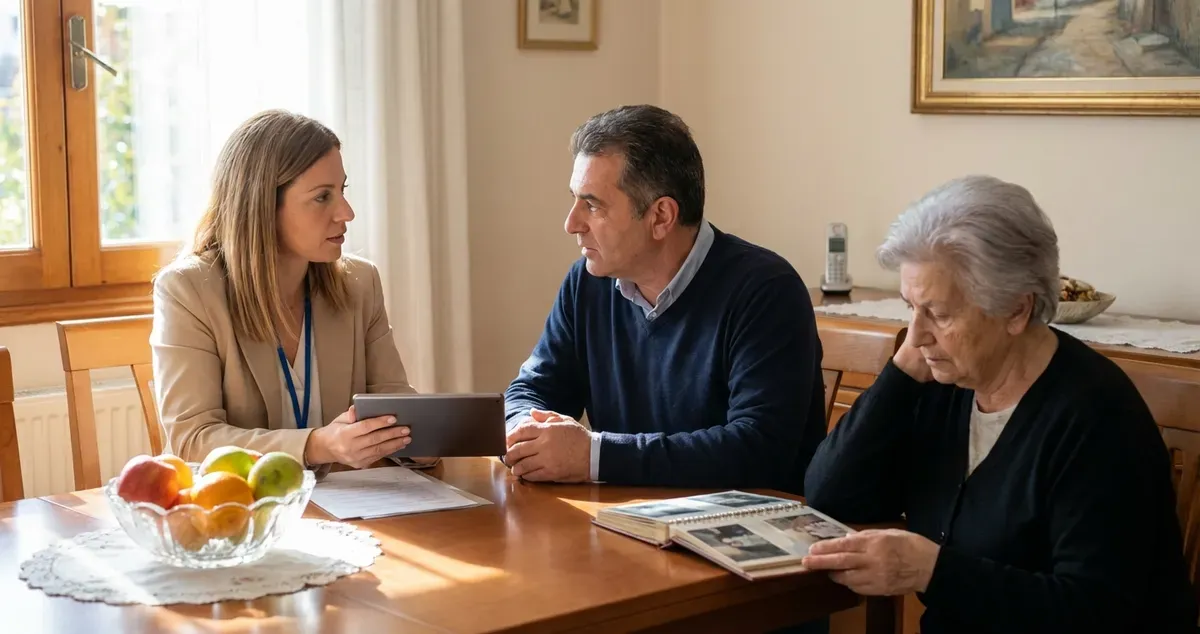
A home care assessment is a structured, unhurried meeting - usually at your parent’s home, or wherever is most convenient - during which an experienced care professional gets to know the situation and discusses your needs and wishes with you.
It is not a medical examination and it does not replace your parent’s GP or specialist. Instead, it takes a holistic look at daily life: what your parent can do comfortably, where they are struggling, what their preferences and routines are, and what kind of support would genuinely improve their quality of life. The goal is understanding, not measurement.
A typical assessment lasts between 45 minutes and an hour and a half, depending on how much ground you want to cover.
Who Conducts the Assessment?
The assessment is carried out by an experienced care adviser from our team - someone who has worked in this field for years and has a thorough, first-hand understanding of the challenges families face.
This is not someone who comes to sell you a package. It is someone who comes to help you see the picture clearly and give you honest advice about what professional care could realistically offer in your particular situation.
What Questions to Expect
During the assessment, the adviser will ask about several aspects of your parent’s daily life and your family situation. The questions typically cover:
Physical health and medical history: What ongoing health conditions are present? Which medications are being taken? Have there been any recent hospital stays or procedures?
Daily activities: Can your parent move around the house safely? Prepare meals? Bathe and dress independently? Where do they need help, and where do they manage well?
Cognitive wellbeing: Has anyone noticed changes in memory, judgement, or orientation? Are there concerns about dementia or other cognitive changes?
Social life and emotional wellbeing: Does your parent see friends or family regularly? Do they have interests and activities that engage them? Are there signs of loneliness or low mood?
The home environment: Is the home safe and practical for your parent’s current level of mobility? Are there fall risks? Is it well-lit and easy to navigate?
The family’s role: How involved are family members at the moment? What is causing the most strain? What would make the biggest difference to your peace of mind?
There are no right or wrong answers. Every situation is different, and the assessment is there to understand yours - not to compare it with anyone else’s.
How to Prepare
You do not need to do anything elaborate to prepare. If you want to make the most of the time, it can help to think through the following beforehand:
- Which moments in the week feel most difficult or worrying
- Whether you have noticed any changes over recent months, and what they are
- Your parent’s daily routines and preferences - for example, whether they prefer showers to baths, or find mornings difficult
- A list of current medications, if you have one to hand
If possible, it is worth your parent being present for at least part of the conversation. Their perspective matters, and care tends to work much better when the person receiving it feels involved in the decisions being made about them.
What Happens After the Assessment
After the meeting, your care adviser will prepare a brief written summary of their observations and recommendations. This document is yours to keep and use as you see fit - even if you decide not to proceed with care through us.
If you do want to move forward, we will work with you to design a care plan that fits your family’s specific needs: how often a caregiver would visit, what kind of support would be provided, and which caregiver would be the best match. There is no standard package - everything is built around the individual.
If you need time to think things over, that is completely fine. We will follow up gently, but there is never any pressure.
Why Is It Free?
This is a question we are often asked, and it is a perfectly reasonable one.
The assessment is free because we believe every family deserves clear, honest information before making any decisions about care. It is not a sales technique wrapped in a service - it is a genuine service in itself. If you come away from the assessment having decided that you do not need care yet, or that you would prefer to look at other options, you will have learned something valuable and you will owe us nothing.
Good care starts with good understanding. That takes time and expertise, and we are glad to offer it without charge.
Book Your Assessment Today
You do not need to have all the answers before you get in touch. You just need to have the question.
Getting in touch is the first step - and often the hardest one. Once you have made that call or sent that message, everything else becomes more manageable. Our team will arrange a time that suits you, come to you, and make sure you leave the conversation feeling clearer and more confident about the path ahead.
We look forward to meeting you.